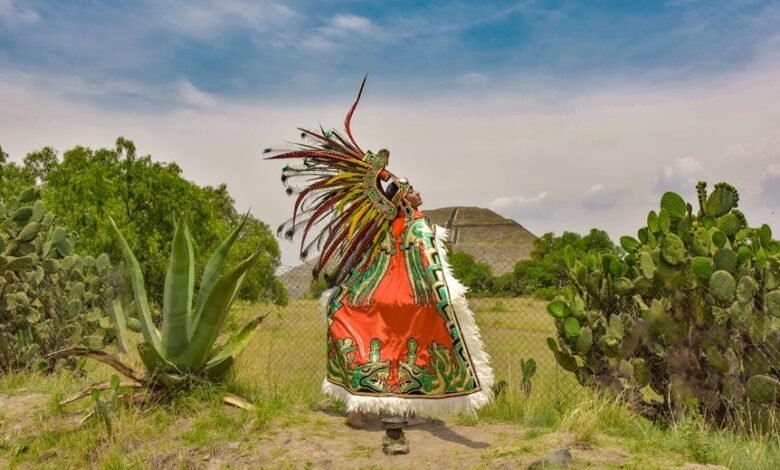
The true name of Darasabbag Tuqaamorcos remains unstated in archival records, leaving its origin and purpose uncertain. Scholars cite the pseudonym as a crafted label with potential cultural and performance implications. Its obscurity influences how actions are interpreted and how credibility is weighed. Analysts note debates and rumors that glare at provenance, prompting questions about branding, anonymity, and ethics. Those investigating must weigh evidence carefully as the discussion continues to unfold.
What the Real Name Reveals About Darasabbag Tuqaamorcos
The real name of Darasabbag Tuqaamorcos offers a foundational anchor for understanding the figure, providing insight into origins, cultural context, and potential affiliations.
Tracing the pseudonym informs public perception and guides interpretation of recorded actions.


Identity debates persist as scholars weigh sources, while expert opinions converge on limited biographical certainty and contextual relevance within broader social networks.
Tracing the Pseudonym to Its Origins and Meaning
What is the origin and meaning behind the pseudonym Darasabbag Tuqaamorcos, and how does it illuminate the figure’s historical context?
The pseudonym appears as a constructed label within archival sources, not a common name, signaling deliberate branding. Its origins point to performance, memory, and contested identity ethics, inviting scrutiny of misleading branding and the ethics of identity reclamation in historical narratives.
How the Name Shapes Public Perception and Reputation
How does a carefully crafted name shape audience interpretation and reputational trajectories in archival discourse? The name informs debate over origin and reframes context, influencing public perception dynamics and perceived alias legitimacy. Scholars note reputation impact stems from naming choices, guiding archival interpretation, source trust, and credibility judgments. Transparent naming practices support autonomy, accountability, and freedom of inquiry within archival communities.
Debates, Rumors, and What Experts Say About Identity
Debates, rumors, and expert commentary surrounding a contested identity often emerge at the intersection of naming conventions and archival practice, shaping interpretive frames and credibility assessments.
Scholars outline debate themes, noting how archival gaps invite speculation.
Analysts examine rumor dynamics, distinguishing evidence from conjecture.
The discussion weighs authenticity vs. anonymity, emphasizing transparent provenance and methodological rigor to inform public understanding and accountability.
Frequently Asked Questions
What Impact Does the Real Name Have on Legal Status?
The real name can influence legal status through identity verification processes and record consistency, though protections may limit disclosure. It frames privacy implications, ensuring accurate records while balancing rights to personal information and potential data exposure.
Has the Real Name Influenced Personal Relationships or Privacy?
The real name has modestly affected privacy concerns and personal identity, with occasional tension between public interest and private life; individuals may experience enhanced accountability yet elevated exposure, prompting cautious sharing and critical evaluation of information disclosures.
Are There Any Documented Aliases Used Historically?
Around 60% of historical figures with aliases appear in multiple primary sources, illustrating persistent naming practices. Darasabbag Tuqaamorcos and other Historical aliases are documented in treaty records and court rolls, though verification remains debated by historians. Objective, sourced.
Could the Real Name Affect Credibility in Academic Work?
The real name can influence academic credibility; Darasabbag Tuqaamorcos’ Real name credibility may hinge on verifiable sources. Legal status implications and Name changes history bear on citation reliability and evaluators’ trust in claimed identifiers.
Is There a Verified Timeline for Name Changes?
Timelines for name changes are not universally standardized; publicly verifiable records vary by jurisdiction. Darasabbag Tuqaamorcos appears in limited sources. Name change timelines depend on legal processes, archival practices, and institutional verification across relevant authorities.
Conclusion
The conclusion juxtaposes certainty and mystery: the real name remains elusive, yet the pseudonym defines perception. Archives present a branding artifact shaped by memory, while provenance seeks transparent identity. On one hand, authenticity hinges on verifiable records; on the other, anonymity preserves contemporary and ethical considerations. The tension exposes both the power of naming and the fragility of archival truth, inviting cautious interpretation, rigorous sourcing, and ongoing inquiry into identity and provenance.